
5 Habits to Improve Your Life
It is the end of January friends and you know what that means...
You’ve probably noticed by now which New Year’s Resolutions made the cut this month and which didn’t. There’s a lot of pressure around ‘new year, new me’. But now is a good time to evaluate what goals and habits are important to you and which ones you’ll keep up with for the rest of the year.
So many people are looking to improve their lives this year by setting habits that help to decrease stress and increase energy and mental health. This is definitely a goal worth sticking to.
I’ve got 5 Simple Habits that will get you there!
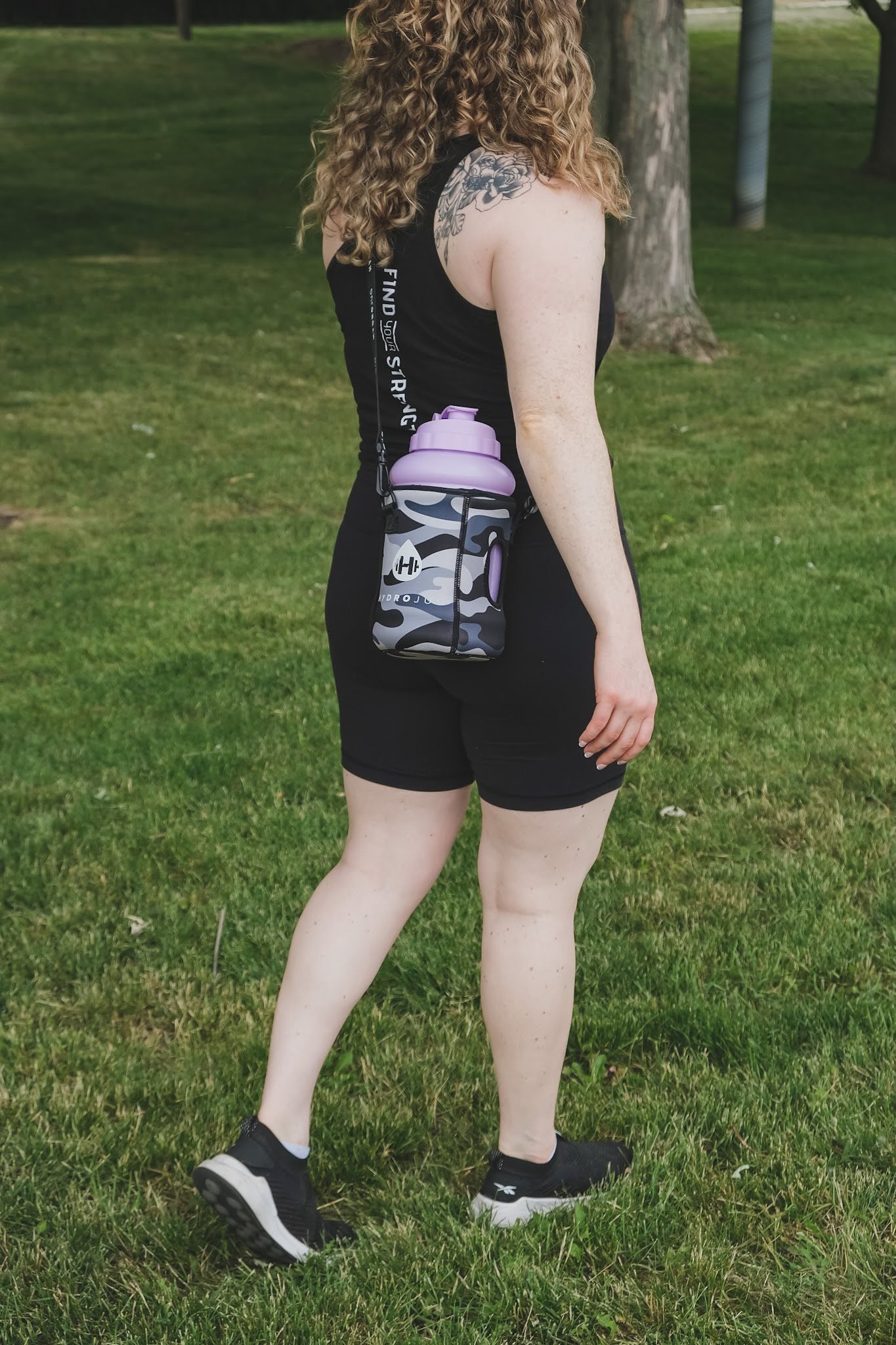
Habit Number One: Movement
Raise your hand if you find yourself stuck at a desk and glued to a computer screen for the majority of the day. You’re not alone (my hand is raised too). Like it or not, this is the situation a lot of people are in.
To offset this lack of movement for most of the day, a good goal to have is to try and incorporate movement into your everyday life. The recommended guidelines for physical health and exercise is 150 minutes per week.
Let’s break that down.
That works out to 21 minutes per day.
That’s about 2% of your time spent awake. Which doesn’t sound like a lot when you think about it.
You could also try to get in a certain number of steps per day (recommended is 10,000).
If you’re not anywhere near either of these goals right now, that’s ok. Set a lower, more achievable goal to start. Maybe try 10 minutes of exercise for each weekday, and 5000 steps.
Once you’ve got these down pat you can start increasing them. That will keep you motivated to keep reaching your goal.
Getting some sort of movement in every day will improve your overall physical and mental wellbeing so it will be worth your efforts.
Habit Number Two: Drink More Water
Do you find yourself dealing with these symptoms in your day-to-day life?
Dizziness
Feeling light-headed
Frequent migraines
Frequent headaches
Feeling lethargic
Sunken eye feeling
If you answered yes, you might be dehydrated.
Did you know the recommended amount of water to have every day is 1 ounce per pound of body weight?
Again, if you’re nowhere near that, start with a smaller goal and work your way up.
I like to start by drinking 1 full water bottle within half an hour of waking - that way I’ve already gotten a lot of my intake in and I’m starting the day on the right foot.
You may have seen some of the Stanley drinking cups floating around these days (I’m a Stanley girl myself). While you don’t need to get a fancy cup like that, it’s helpful to get a reusable water bottle that you can take with you throughout the day.
You can also balance your hydration with electrolytes such as sodium, potassium and magnesium.
Sodium helps with fluid balance and muscle contraction.
Potassium helps with blood pressure and the beating of your heart.
Magnesium helps with muscle contraction, heart function and even anxiety.
One way to increase your electrolyte intake is with a supplement like LMNT. These are little packs of electrolytes you can add to your water (in delicious flavours) and they’re science-backed to increase your salt intake.
Here’s a link to get a free sample pack with your first order!
Habit Number Three: Stress Management
Stress is a part of everyday life.
There can be good stress, which can add urgency to get things done, and then there’s the not so good stress. When stress starts to be detrimental to your well-being, it’s time to reevaluate what you’re doing and practice some good stress management tactics.
I don’t mean getting high in the evenings or having mommy wine time to suppress your feelings. These may subside the stress for a short time, but it will always come back - sometimes even stronger.
Great options for stress management include grounding in nature, spending time in the sun, going for a walk, meditating, reading, journaling, practicing yoga, going in a sauna, getting your nails done, listening to music or dancing in the kitchen.
These activities require you to take some downtime and look inward. Feel your feelings instead of trying to run from them or numb them. Learning to manage your stress this way will help you to become a better-functioning human.
Habit Number Four: Eating Whole Foods and Including More Protein
What we eat can have a big impact on our well-being and our energy levels. To feel your best, your diet should be filled with primarily single-ingredient foods like fruits, vegetables, nuts, seeds, greens, lean meats and legumes.
If it comes from a box, it’s not a whole food.
This doesn’t mean you can never eat food from a box. However, boxed foods shouldn’t be making up the bulk of your diet.
Protein is a key macronutrient that should also be included in your diet. It helps with so many bodily functions such as building and repairing muscle tissue, balancing our hormonal health, improving our metabolism and providing nutrient transport.
The million dollar question...how much protein should you be consuming? The recommended intake of protein is 0.8-2.2 grams per kilogram of body weight - and even more if you’re an active person. A good way to measure it is to aim for 20-30 grams of protein with each of your 3 meals a day.
Some great options for increasing your protein intake are Greek yogurt, lean meat, legumes, eggs and turkey bacon - to name a few. And if you find you’re struggling to get enough protein through foods like these, you could supplement with a protein bar or protein powder.
My go-to protein bar - that DOESN’T taste like chalk - is Daryl’s Bars. They’re filled with whole food ingredients and contain anywhere from 20-22 grams of protein per bar. There’s also a ton of great flavours! They have a performance line that is gluten-free and also a vegan line. There’s something for everyone. If you want to try them out, contact me here!
Habit Number Five: Sleep
Sleep plays a huge role in your rest and recovery. When you sleep, your brain stores information, your body removes toxic waste and you allow your nerve cells to communicate and reorganize which supports healthy brain functions. There’s a lot of cellular repair, restoring of energy systems, enhancing of your immune system and regulation of hormones.
For all of these vital functions to happen - you need to sleep!
How much?
The recommended amount is 7-9 hours of sleep per night.
If sleep is something you struggle with start by looking at your bedtime routine. Is there anything you could be doing to get a better night's sleep? Maybe eliminating screens 30-60 minutes before bed? Getting to bed 30 minutes earlier? Reading a novel to wind down?
If you have young ones, sleep can be more unpredictable and something you don’t always have control over. One thing that you can control though, is getting to bed earlier so you get an extra few hours of sleep before being interrupted by your kids.
Do the best you can with what you have and get those zzz’s.
Let's Go Over Those Key Habits Again...
Movement
Water
Stress Management
Eating Whole Foods and Protein
Sleep
Before you start stressing yourself out trying to nail all five right away.. remember to set realistic goals for yourself. Maybe there’s one or two areas you could give more time and attention to. As you start to reach those goals you can continue to build on them.
Hey, I believe in you! These are the best kind of habits to carry with you and work on throughout the rest of 2024. And I know once you see the benefits of them it will get easier to implement them.
If you’re someone who needs some support in some of these areas, apply for 1:1 Coaching!